
Build your winning strategy: the psychology of casino contests
Understanding Player Motivations in Gambling
The landscape of gambling is deeply intertwined with human psychology. At its core, the motivation to gamble stems from a complex interplay of desires: the thrill of risk, the hope of financial gain, and the social aspect of gaming. Understanding these underlying drives is crucial for anyone looking to navigate the world of casino contests or simply to comprehend the behaviour of participants. Many individuals are drawn to the unpredictable nature of games, where chance dictates outcomes, offering an escape from the routine and a surge of adrenaline. For those seeking more information on navigating such landscapes, resources can be found at magius-gb.org.uk.
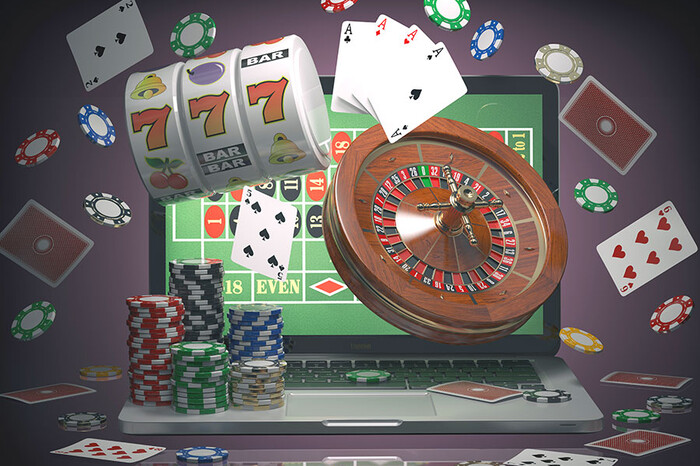
Beyond the immediate excitement, the prospect of winning significant sums of money is a powerful allure. This desire for financial reward can range from a casual hope for a small win to a determined pursuit of life-changing jackpots. Furthermore, for many, casinos and gambling venues offer a social environment. They provide a space for interaction, competition, and shared experiences, which can be as motivating as the games themselves. Recognizing these multifaceted motivations is the first step towards building a comprehensive understanding of the gambling ecosystem.
The Role of Cognitive Biases in Gambling Decisions
Cognitive biases significantly influence decision-making within casino contests. One prevalent bias is the “gambler’s fallacy,” the mistaken belief that if something happens more frequently than normal during a given period, it will happen less frequently in the future, or vice versa. This can lead players to make irrational bets based on past outcomes, rather than the true randomness of events, such as in roulette or slot machines.
Another common bias is “optimism bias,” where individuals overestimate their chances of winning and underestimate the risks involved. This is often fuelled by the selective memory of wins and the downplaying of losses. Similarly, “confirmation bias” can lead players to seek out or interpret information that supports their belief in a winning strategy, ignoring evidence that contradicts it. Awareness of these cognitive pitfalls is essential for developing a more rational and potentially successful approach to gambling.
Emotional Regulation and Discipline in Casino Play
Emotional regulation is a cornerstone of disciplined play in any gambling scenario. The emotional rollercoaster of wins and losses can be intense, and the ability to manage these feelings is paramount. Impulsive decisions driven by frustration after a loss, or overconfidence after a win, often lead to significant financial setbacks. Maintaining a level head and sticking to a predetermined strategy, regardless of immediate emotional responses, is key to preserving capital and making sound judgments.
Developing discipline involves setting clear boundaries before engaging in play. This includes establishing a strict budget for losses and a target for winnings, and importantly, adhering to them. It also means knowing when to walk away. The psychological pressure to chase losses or to push a winning streak can be immense, but resisting these urges requires significant self-control. A disciplined player views gambling as a form of entertainment with a cost, rather than a guaranteed path to riches.
The Impact of Game Design on Player Psychology
Casino game designers meticulously craft their offerings to engage player psychology effectively. Features like near-misses on slot machines, where a player almost hits a winning combination, can create a sense of being close to a win, encouraging continued play even after losses. This taps into the human desire for accomplishment and the hope that the next spin will be the lucky one.
The variable reward schedules employed in many casino games are also highly effective. These systems, where wins are unpredictable and occur at varying intervals, are known to be incredibly potent in reinforcing behaviour. This aligns with psychological principles that suggest intermittent reinforcement is more addictive and motivating than consistent rewards. The flashing lights, sounds, and immediate feedback loops further enhance the immersive and stimulating experience, designed to keep players engaged for longer periods.

MAGIUS GB: Navigating the Gambling Landscape Responsibly
For individuals interested in understanding the broader implications of gambling, including its psychological facets and responsible participation, organizations like MAGIUS GB often provide valuable resources. While the specifics of their operations may vary, groups with such affiliations typically aim to promote awareness and provide support related to various aspects of life, which can encompass responsible engagement with activities that involve chance.
Engaging with gambling, whether through casual play or participating in contests, requires a nuanced understanding of the psychological forces at play. By being aware of our own motivations, recognizing cognitive biases, practicing emotional discipline, and understanding how game design influences behaviour, we can approach these activities with greater insight and control. Resources and information from reputable organizations can further aid in fostering a responsible and informed perspective on gambling.